
Bike advice
Understand the different components and find the equipment that perfectly matches your riding style.
Everyone deserves the bike that suits them. Our configurator will of course guide you through the selection of components. But with all the options available, you might lose track of what's what. That's where this page comes in: here you'll find all the basic facts you need to make the perfect choice!
The motor - just a question of power?
On a pedelec, the motor supports you while you pedal. The top speed is limited to 25 km/h. Get to know the motor concepts and their features so that you can find the one that perfectly complements your riding behaviour.
The engine concept - different driving behaviour
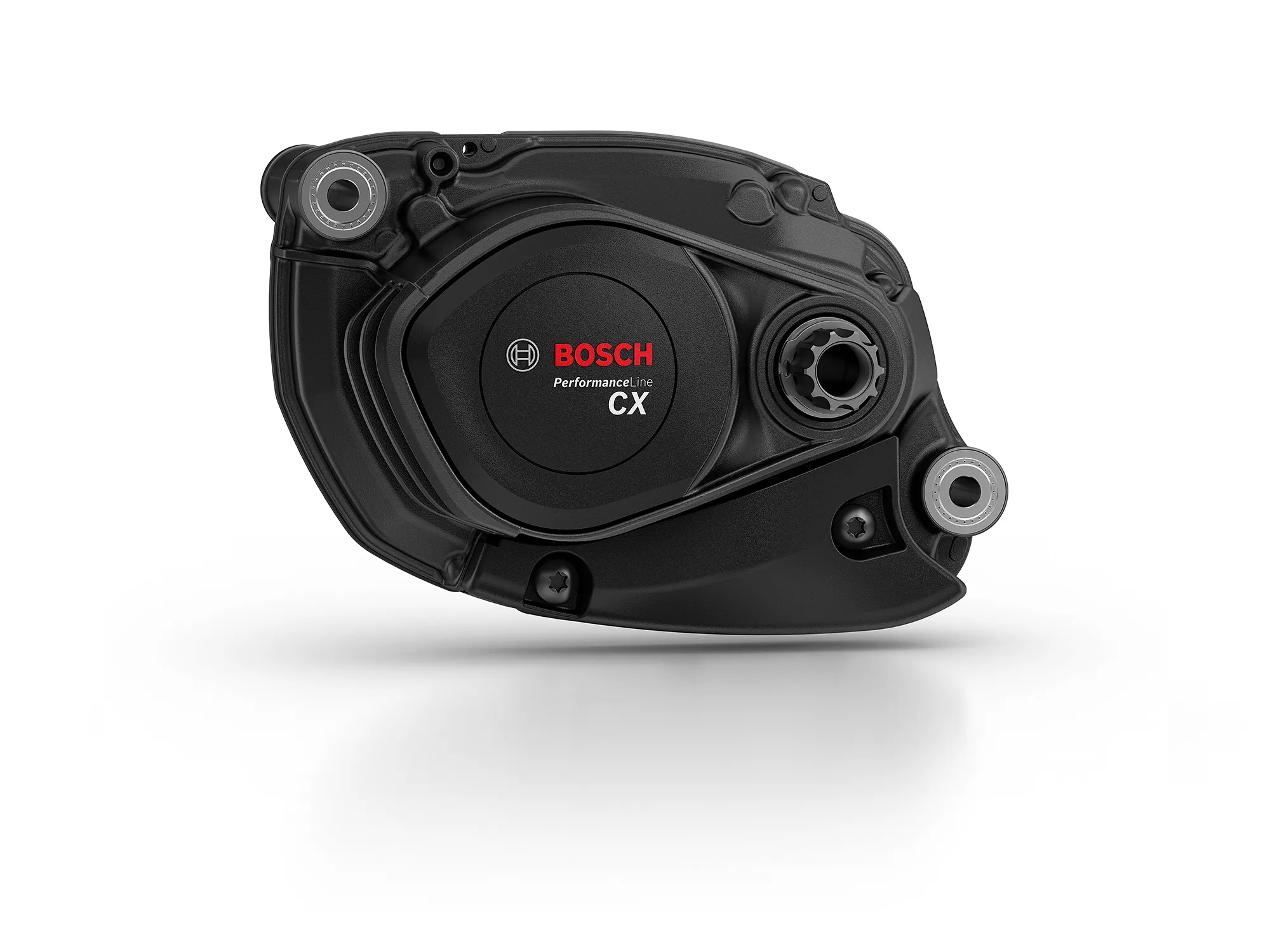
Mid-engine
The top dog in almost all types of e-bikes: even power transmission via chain or belt, very efficient on hills, and a natural, direct riding feel. It is used in all-round, SUV and many other bikes.
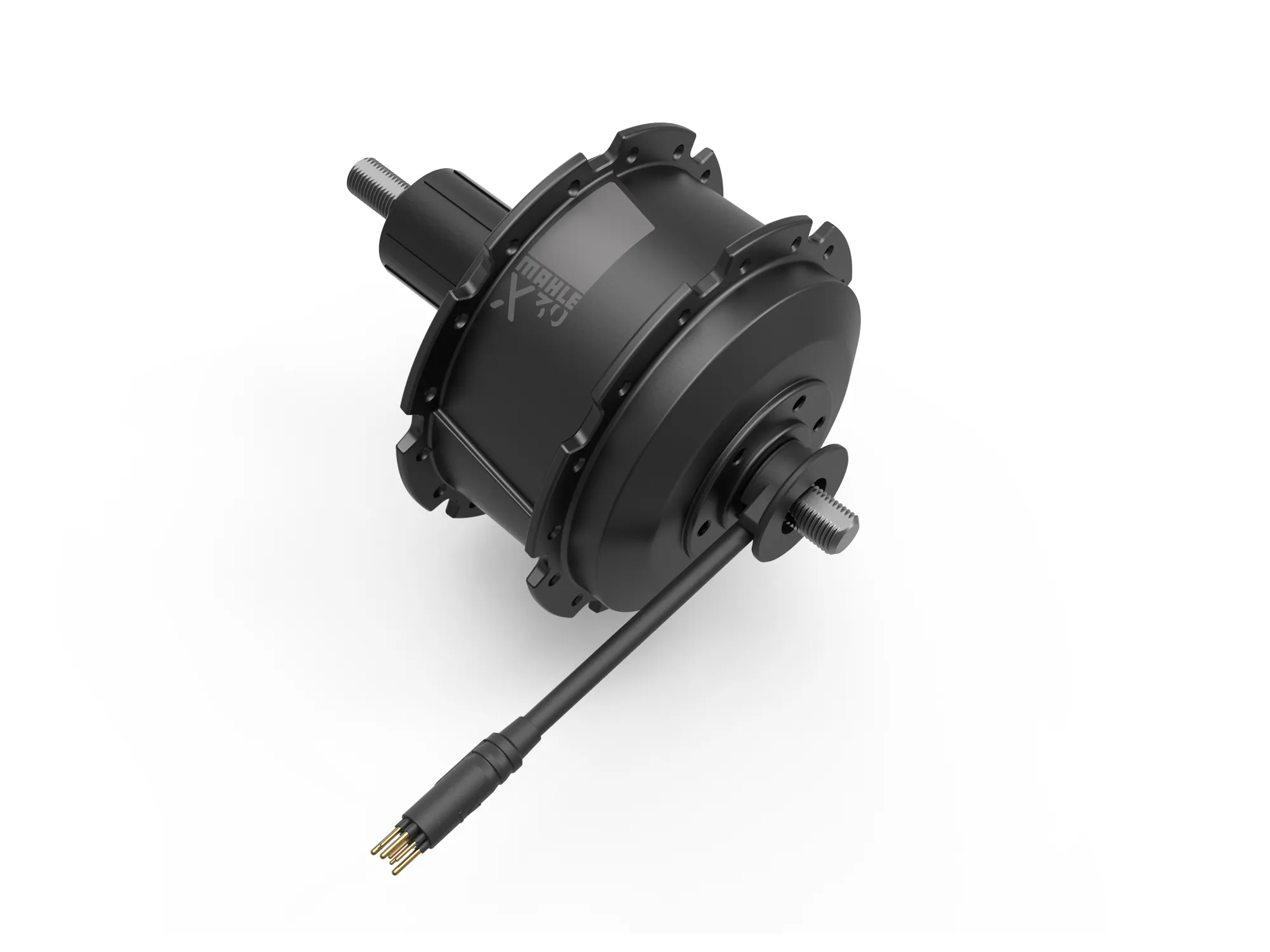
Rear engine
Direct thrust from the rear, feels like a tailwind. Very quiet riding, ideal for the city through to sporty tours. Used in urban bikes, folding bikes or gravel bikes due to its compact design.
Engine power - does a lot help a lot?
The most important key figure for you is the torque, which is given in Newton metres (Nm). It is always shown in our configurator to make it easier for you to select the right motor. As a general rule, the higher the torque, the more powerful the support provided by the motor until the top speed is reached. You can usually carry out the fine-tuning yourself in an associated app.
Flat terrain
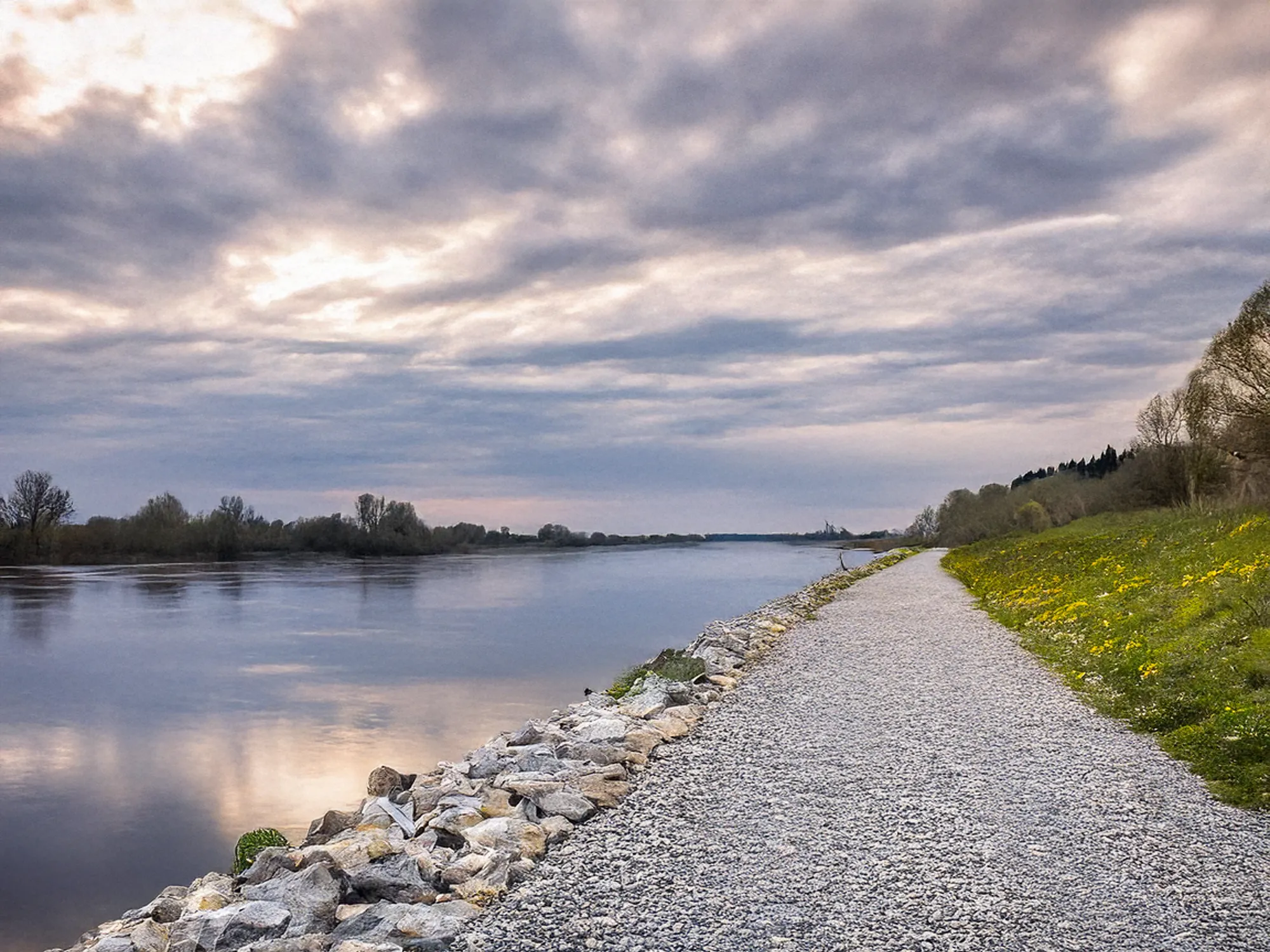
Mixed environment
A medium to high motor power will give you more riding pleasure. Motors with a lower output reach their limits here and consume more energy at the expense of range.
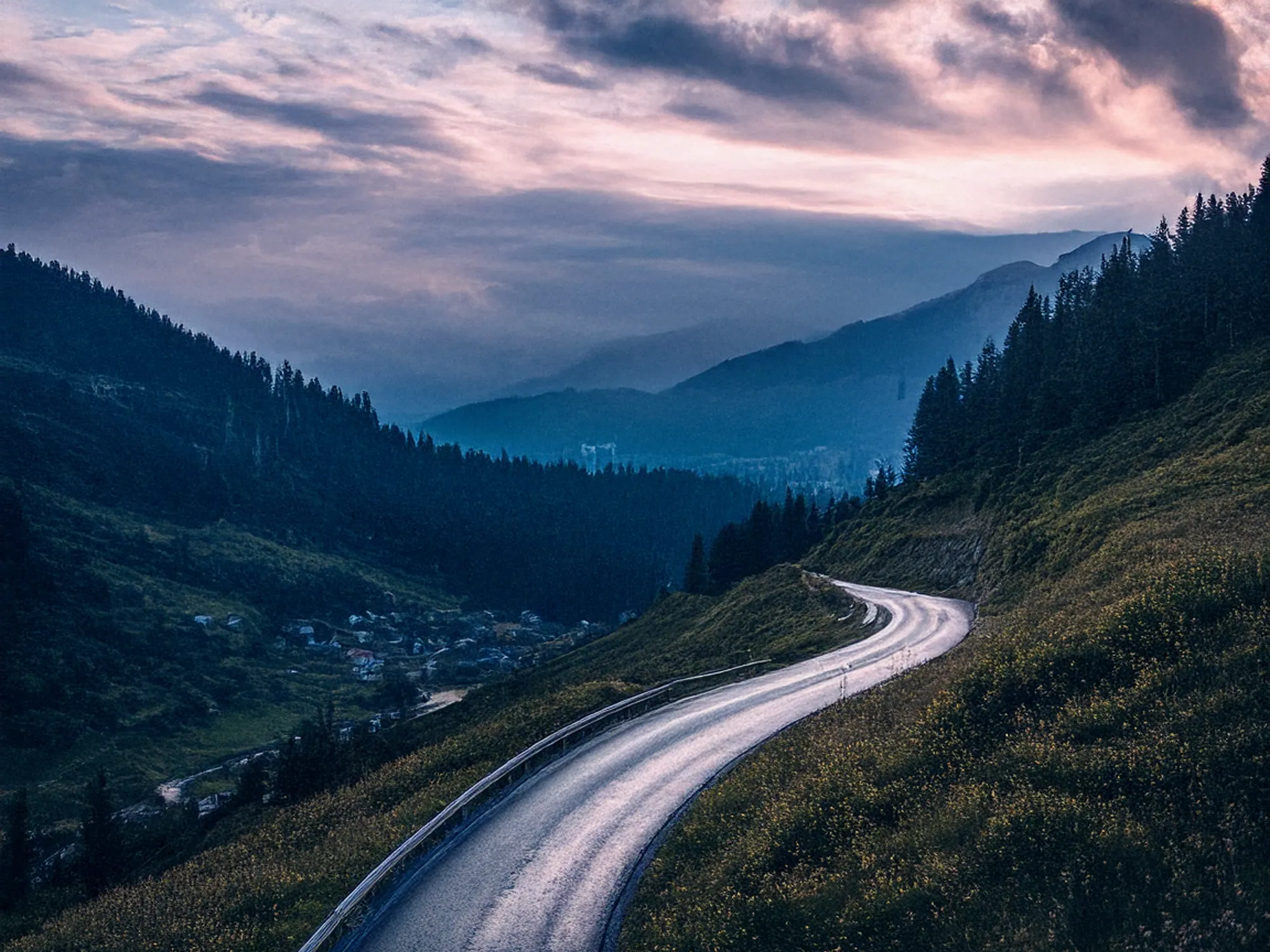
Mountainous areas
If you live in mountainous country or are regularly travelling there: choose a powerful motor to master the steepest climbs.
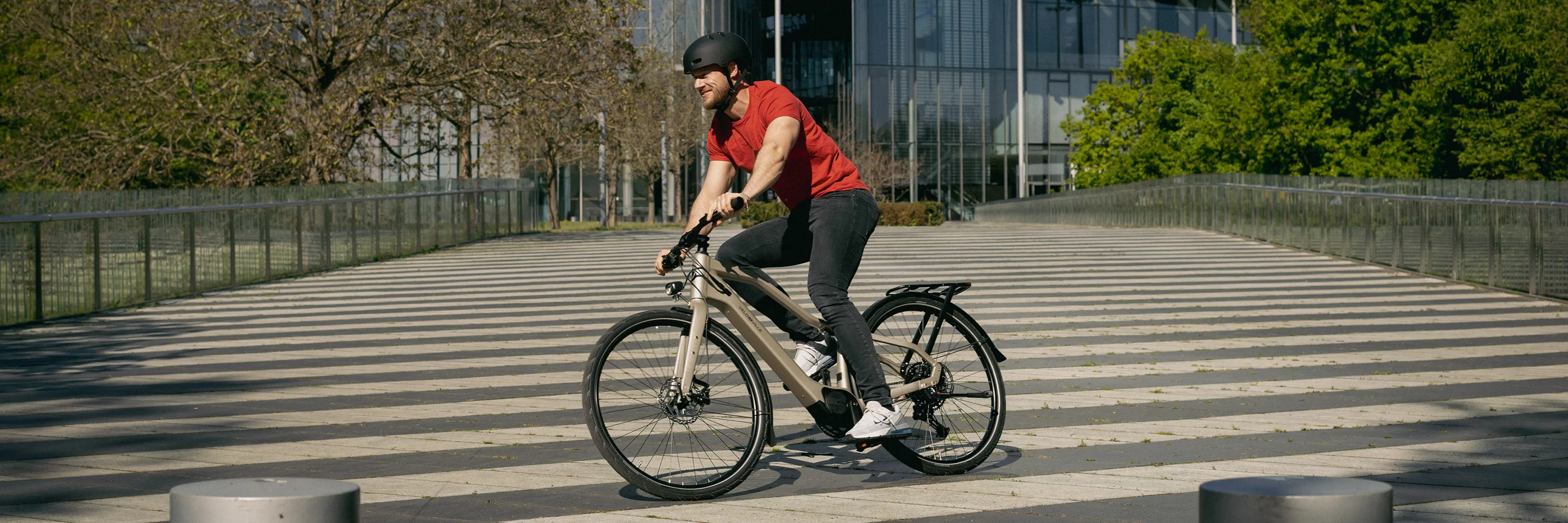
Battery capacity - is range everything?
If you're travelling a very long distance by bike, you need a high battery capacity. But does the largest battery always make the most sense?
Watt hours mean range
The higher the number of watt hours (Wh) of a battery, the more capacity it has. Conversely, more battery cells mean more weight.
Smaller capacities are therefore sufficient for short distances with moderate assistance. If you are travelling long distances with a lot of luggage and a high level of assistance, always choose a larger battery.
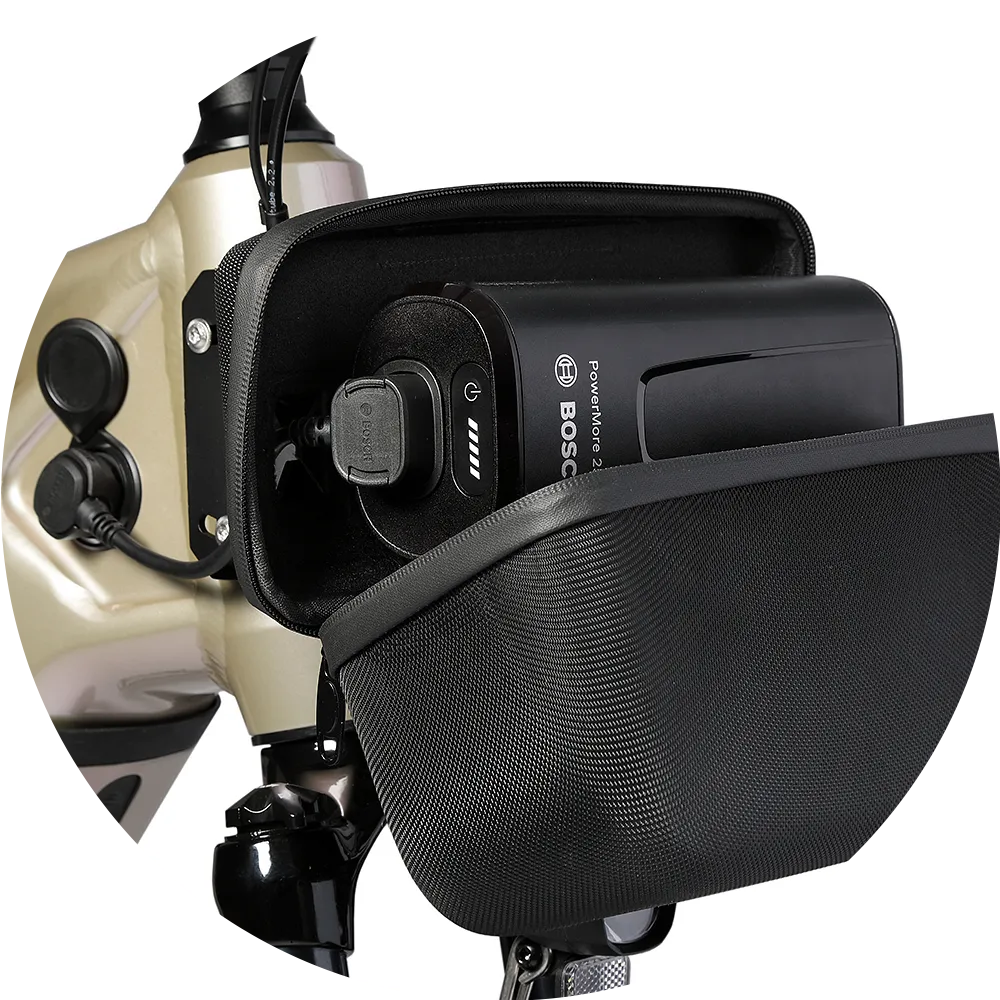
Some models also come with a range extender, the Bosch PowerMore. This can be easily removed when it is not needed.
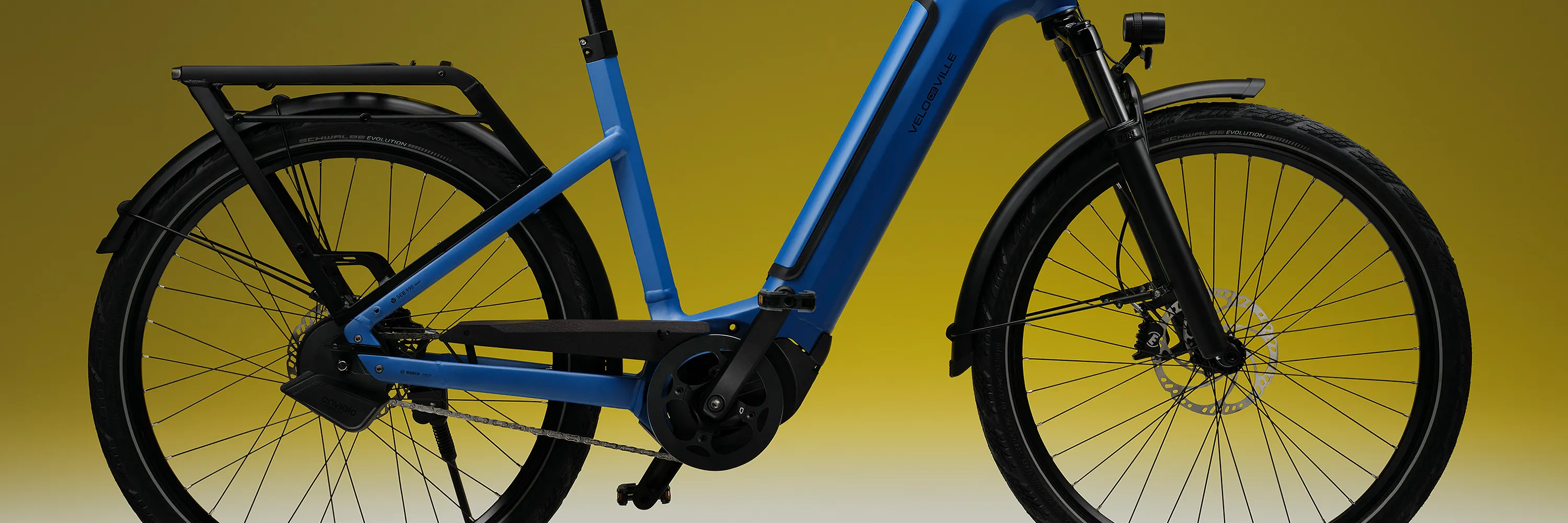
Tyre selection made easy
In the configurator, you can see the wheel size, tread, puncture protection and tyre width. These characteristics determine how your bike rides, how comfortable it is - and how well it suits your intended use. Find out here what is important and what suits you best.
Wheel size - the basis for the tyre
Profile - the grip of the tyre
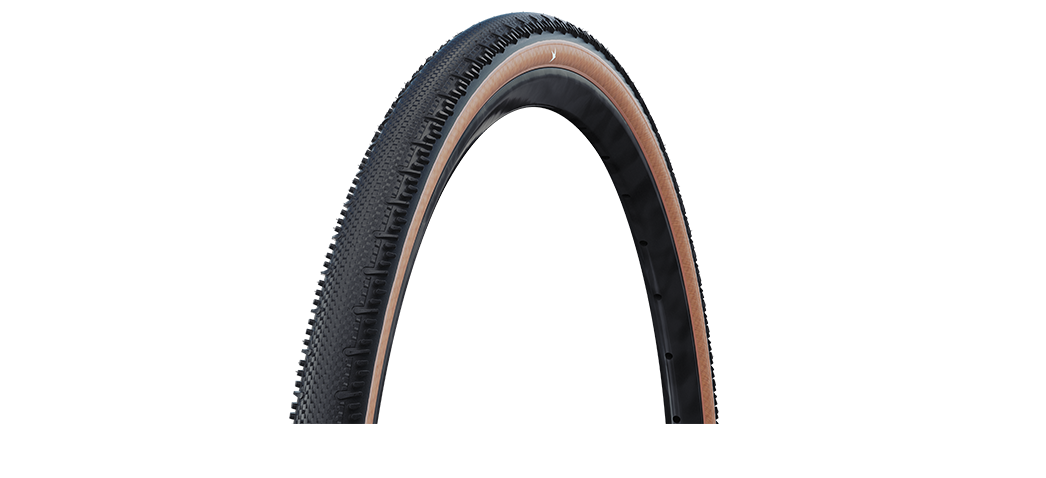
Smooth/fine profile
Easy rolling, fast and quiet on tarmac. Ideal for anyone travelling on the road.
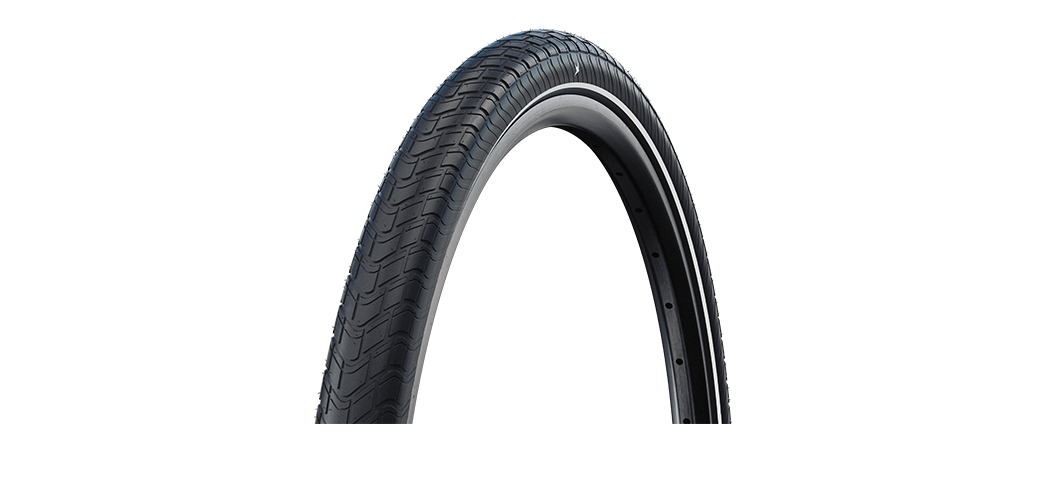
Medium profile
All-rounder for road and dirt tracks - good balance between grip and speed.
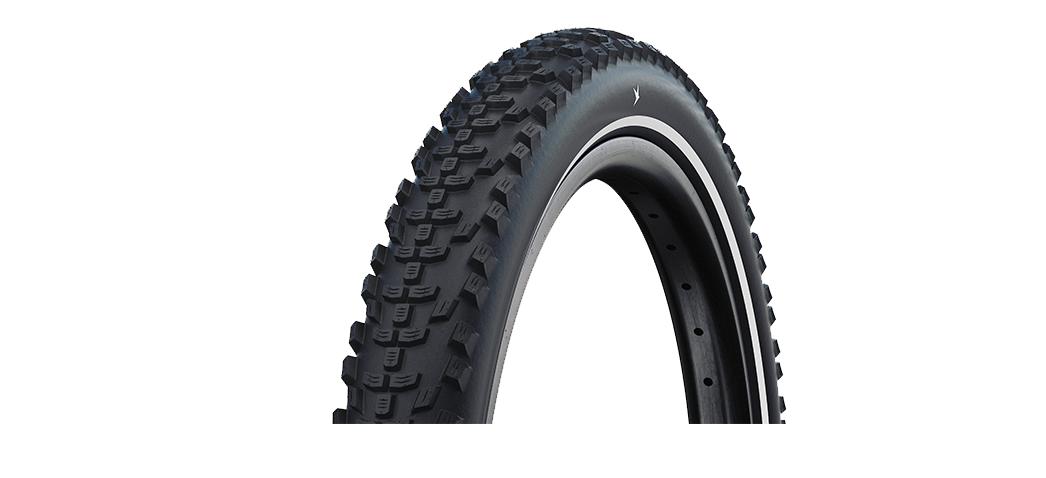
Rough profile
Lots of traction off-road, safe on loose surfaces - but a little harder to pedal on tarmac.
Puncture protection - safety on the road
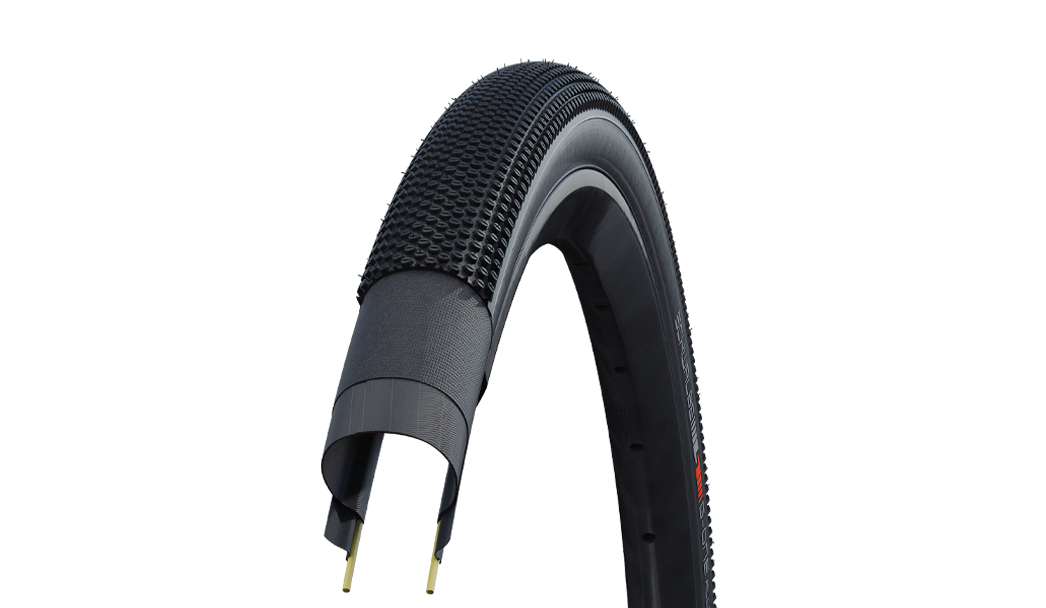
Basic protection
Lightweight and often cheaper, but more sensitive to broken glass, thorns or sharp gravel.
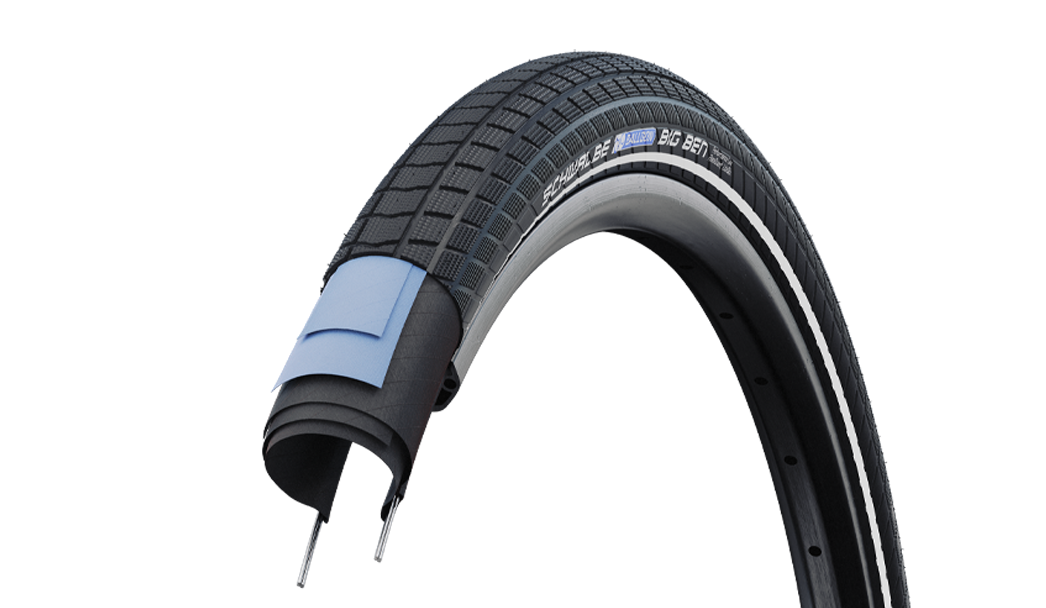
Premium protection
Good mix of weight, price and safety - suitable for many everyday rides.
High-end protection
Best protection against punctures, ideal for frequent travellers, commuters and touring - slightly heavier.
Tyre width - comfort or speed?
Gears
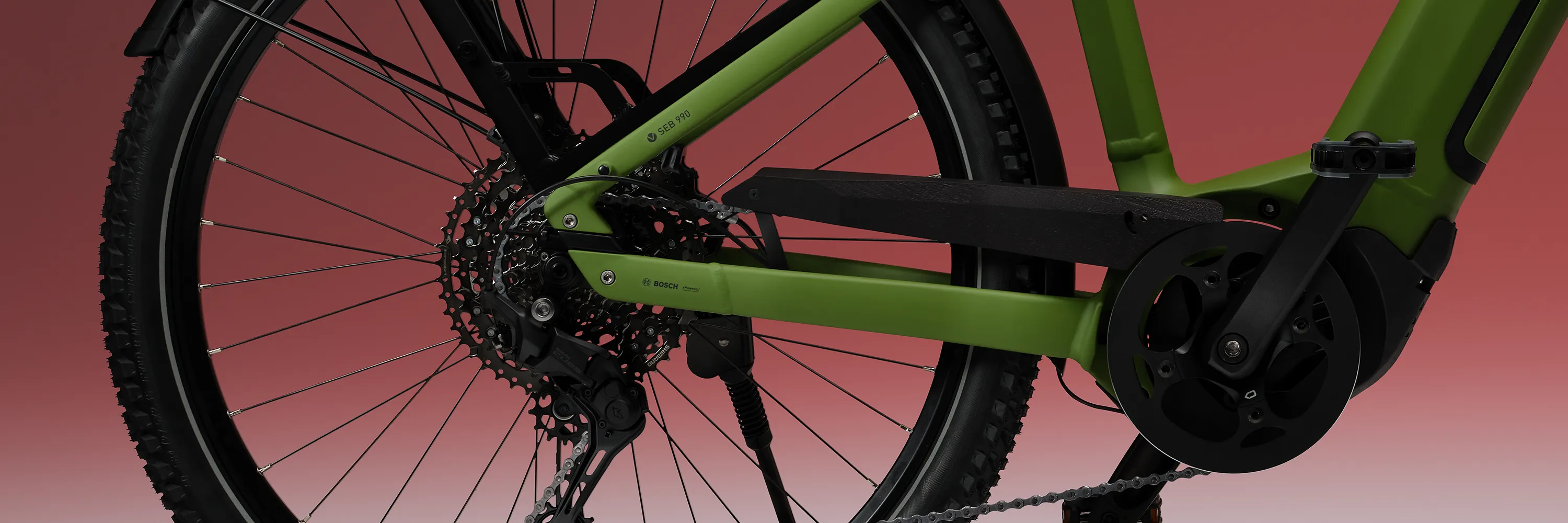
There are two basic types of bicycle gears: Derailleur gears and hub gears. Both systems have their strengths - depending on the intended use, riding habits and comfort requirements.

Derailleur gear

Hub gear


Electronic circuits
In addition to classic mechanical variants, there are now also electronic gearsticks. Here, small motors do the shifting - precisely, quietly and with minimal effort on the gear lever. They are particularly convenient, reliable and enable fast gear changes.
Deployment and bandwidth
In the configurator, you will find a diagram with the gear ratios for each gear. This shows the metres per gear that you cover in this gear with one turn of the crank.
The percentage figure describes the range of the gearing, the higher the value, the further apart the smallest and highest gear are and the more suitable the gearing is for mountain riding.

Circuit characteristic legend
You can use this to easily understand which characteristics a circuit fulfils.
Manual
Classic shifting with lever or twist grip
Electric
Switching at the touch of a button, controlled by an electric motor

Automatic
Fully automatic switching without user intervention

Stepless
No gear shifting or gear jumps, smooth transmission
Our frames - the basis for the right ergonomics
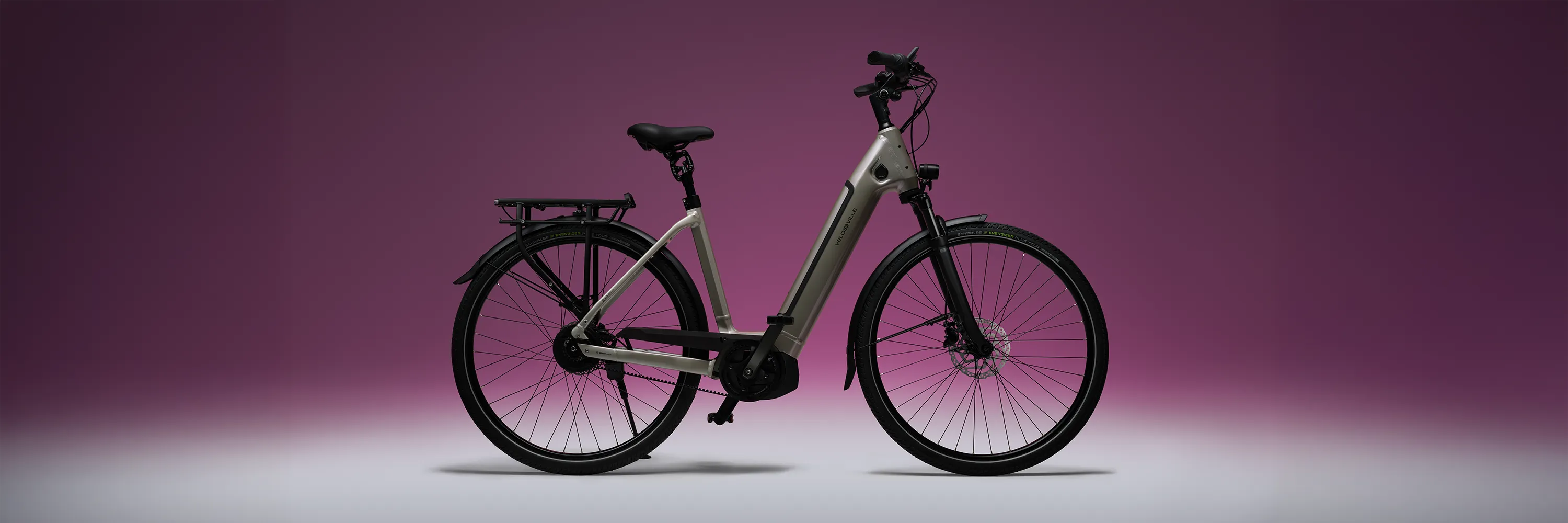
The frame is the centrepiece of a bike that should suit you. It determines how comfortable you feel on the bike. The handlebars, stem, seat post and saddle are then added to further customise the bike.
Frame shapes
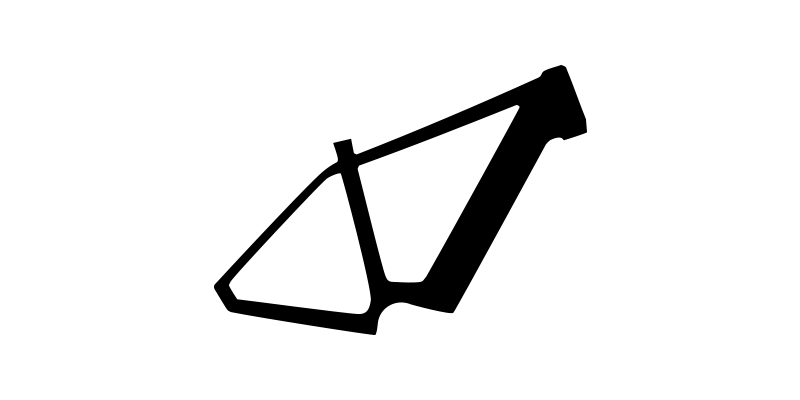
Sporty, comfortable or classic: with many of our models, you have several frame shapes to choose from. A low entry (wave frame) makes the bike comfortable, a continuous top tube (diamond frame) offers the most stability and the curved top tube (trapezoid frame) creates a sporty look. Which frame do you choose?


Frame height calculator
Our frame height calculator will help you choose the right height. Simply enter your data and the calculator will suggest the right height for you. The best way to find out if you feel comfortable on the bike is to go for a test ride at one of our specialist dealers.